Emergency situation in Aweil East County, Northern Bahr el Ghazal State Emergency situation in Aweil East County, Northern Bahr el Ghazal State
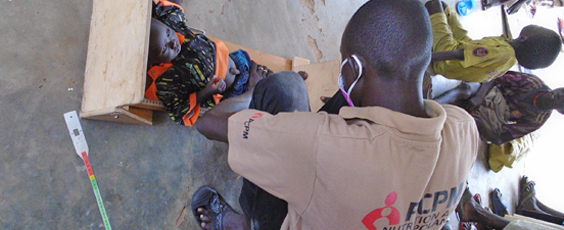
Families in Aweil East County in Northern Bahr el Ghazal State, faced one of the most critical nutrition crises in the region in 2025. With a projected population of 584,743 in 2024, the county is classified under IPC Acute Malnutrition Phase 4 (Critical), and nutrition surveys conducted in late 2024 and 2025 revealed Global Acute Malnutrition (GAM) rates far exceeding the WHO emergency threshold of 15%, particularly among children aged 6–23 months. The crisis was intensified by recurrent flooding, rising food prices, and the arrival of over 7,000 returnees and refugees fleeing the conflict in Sudan, many of whom are now settled in Buothyar Returnees Camp. These factors severely strained already limited health and nutrition services, increasing the vulnerability of children and families.
Amid these challenges, the AAA deployed health and nutrition interventions to support both refugees and host communities, ensuring essential services reached those most in need.
KEY ACHIEVEMENTS 2025
- People who benefitted from medical care services: 559
- People reached with health education: 1,781
- Children under five screened for malnutrition: 2,105
- Children identified as malnourished: 1,000
- Children who benefited from nutrition support: 504
Through these targeted interventions, AAA helped protect the health and wellbeing of vulnerable populations, particularly young children at highest risk.
Continued support and fundraising will allow AAA to scale up these interventions in 2026, reaching even more families and children in urgent need. |