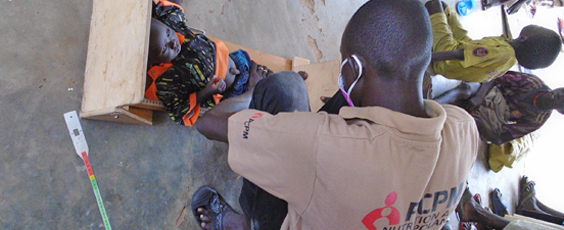
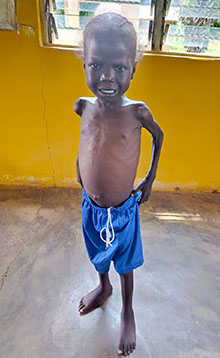
 South Sudan continued to face a severe nutrition emergency in 2025, with malnutrition rates reaching critical levels among children and vulnerable populations. An estimated 2.08 million children under five were at risk of acute malnutrition, representing a 26% increase from 2024, while 2.3 million children experienced life-threatening acute malnutrition. The broader food security situation was equally concerning, with approximately 7.7 million people (57% of the analyzed population) facing high levels of acute food insecurity between April and July, and 5.97 million people (42%) facing crisis-level food insecurity or worse between September and November, including 1.3 million in emergency conditions. The nutrition crisis was fueled by multiple interconnected factors. South Sudan continued to face a severe nutrition emergency in 2025, with malnutrition rates reaching critical levels among children and vulnerable populations. An estimated 2.08 million children under five were at risk of acute malnutrition, representing a 26% increase from 2024, while 2.3 million children experienced life-threatening acute malnutrition. The broader food security situation was equally concerning, with approximately 7.7 million people (57% of the analyzed population) facing high levels of acute food insecurity between April and July, and 5.97 million people (42%) facing crisis-level food insecurity or worse between September and November, including 1.3 million in emergency conditions. The nutrition crisis was fueled by multiple interconnected factors.
Escalating armed conflict, particularly in Upper Nile state, and mass displacement of returnees from Sudan placed enormous strain on communities and health services. Severe flooding since June disrupted livelihoods and agricultural production, while disease outbreaks, including cholera, further compounded malnutrition risks.
Economic decline, restricted humanitarian access, and cuts in foreign aid intensified these challenges, creating one of the most difficult operating environments for health and nutrition interventions.
Despite these hurdles, AAA continued to deliver lifesaving nutrition support, reaching children in some of the hardest-to-reach communities.
KEY ACHIEVEMENTS 2025
- Children under five screened for malnutrition: 12,636
- Children identified as suffering from malnutrition: 4,618
- Children who benefited from nutrition support: 3,446
Each child screened, treated, or supported represents a life protected and a community strengthened.
Looking ahead to 2026, AAA plans to expand nutrition outreach, strengthen early detection programs, and scale up emergency food support through continued fundraising, ensuring that vulnerable children and families continue to receive timely and effective care. These efforts remain crucial to reducing malnutrition and promoting the long-term health and wellbeing of South Sudan’s most at-risk populations. |